Institutional Precision:
Tick Value Position Optimizer
Retail traders guess their risk; professionals calculate it to the tick. Our Position Sizing Formula integrates proprietary Tick Value Optimization to neutralize volatility exposure. Stop guessing your stop-loss distance—deploy the exact contract volume required to maintain your risk-per-trade mandate.
Proprietary position sizing algorithm calibrated for high-velocity tick execution.
The Mathematical Edge: Mastering the Professional Position Sizing Formula
Most retail traders fail not due to poor setups, but due to reckless capital exposure; applying the correct Position Sizing Formula is the only way to insulate your liquid net worth against inevitable market volatility. By normalizing risk per trade, you shift from gambling on outcomes to executing institutional-grade capital preservation.
Introduction: Mastering the Precise Position Sizing Formula for Futures Markets
Professional capital preservation begins long before you click “buy” or “sell.” While most retail traders obsess over entry triggers, the most successful institutional operators focus on the mathematical integrity of their Position Sizing Formula. Without a rigorous approach to calculating risk-per-trade, even the highest probability setups will eventually erode your account due to cumulative drawdown variance across the NASDAQ 100 or S&P 500 futures.
A flawed Position Sizing Formula is the primary reason why digital prop firm traders fail their evaluations during periods of high tick value volatility. By failing to integrate dynamic account equity metrics with real-time stop-loss placement, you expose your liquid balance sheet to catastrophic tail-risk events. True edge isn’t found in a magic indicator; it is engineered through systematic risk quantification.
We recognize the frustration of inconsistent performance cycles. It is counterproductive to master structural bias rules and order flow depth, only to neutralize your gains because your risk exposure per contract is mathematically unaligned with your total account drawdown limit.
Sustainable scaling is impossible without a standardized risk protocol. By upgrading your workflow with our proprietary Position Sizing Formula, you transition from gambling on price direction to managing probability-weighted capital outcomes. This structural refinement provides the systematic control required for long-term survival in high-velocity US markets.
Trading & Market Disclaimer: The position sizing strategies and risk management models presented on Finloxa.com are for educational purposes. Futures trading carries substantial risk of loss and is not suitable for every investor. Always validate your position sizing formula against your specific broker’s margin requirements and personal risk tolerance before live execution.
Strategy Guide: Essential Risk Metrics
Why the Future Tick Value Optimizer Requires a Strict Position Sizing Formula
When trading highly leveraged contracts on major US derivatives exchanges, managing fast-moving order flow requires more than just a solid entry signal. Deploying advanced algorithmic tools without a calibrated Position Sizing Formula exposes your account to catastrophic drawdown during unexpected volatility spikes and sudden multi-tick slippage events.
While standard retail calculators assume fixed point values across all environments, true intraday volatility fluctuates constantly. When contract sizes sit unhedged without adjusting for real-time tick values, your risk exposure becomes unpredictable noise against institutional algorithms that actively hunt oversized retail positions.
To systematically protect your capital from aggressive market swings, you must align your contract counts directly with algorithmic volatility models and a mathematical Position Sizing Formula. By calculating the exact risk parameters needed for sustainable account growth, you gain the tactical capacity to isolate your portfolio from emotional trading traps.
Calibrating the Future Tick Value Optimizer with a Position Sizing Formula
The primary step to achieving long-term execution consistency is separating arbitrary contract numbers from calculated risk per trade. Under modern electronic market conditions, executing arbitrary position sizes often serves as an invitation for sudden margin calls unless governed by strict mathematical parameters.
Utilizing a dynamic Position Sizing Formula system layout allows professional traders to balance immediate market swings with precise, asset-insulated risk metrics. This structural synchronization keeps your contract count perfectly optimized, ensuring your execution strategy avoids over-leveraging during volatile momentum cycles.
When optimizing trade values, active scalpers often fail to realize how minor tick differences can accumulate significant losses across fast-moving consolidation breakdowns. Implementing real-time tracking based on a robust Position Sizing Formula changes this paradigm entirely by identifying your exact downside boundaries before the order is ever routed.
Direct Action Plan: Eliminate random contract selection from your execution workspace starting next session. Apply systematic mathematical risk parameters instead to keep your position sizing fully optimized, ensuring your strategy avoids getting crippled by a single outlier trade.
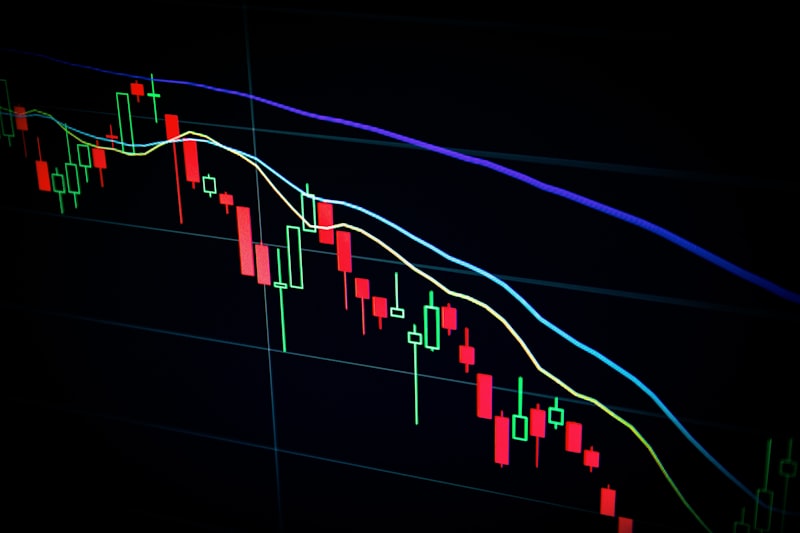
Isolating Portfolio Risk via a Defined Position Sizing Formula
Relying on the assumption that a static contract size will work equally across different assets is a critical risk-management error. Major market indices and commodities have vastly different tick values and daily ranges, requiring dynamic adjustment for every single trade setup.
Under live market conditions, if your system enters execution sizes without filtering those allocations through a dynamic Position Sizing Formula, your trading account stays highly exposed to sudden liquidity flushes. Integrating an optimized risk workflow removes these structural mathematical blind spots before your capital is put at risk.
According to the clearing risk mandates outlined by the official U.S. Securities and Exchange Commission, professional capital allocation demands absolute transparency and audited risk controls. By building your position sizes around verified math, you maintain the necessary mathematical edge to survive extreme market cycles cleanly.
Always confirm that the current contract tick value aligns with your Position Sizing Formula criteria before confirming an order. This ensures your net exposure remains identical regardless of individual asset volatility.
Eliminating the Account Drawdown Cycle via Strategic Risk Balancing
The most common operational breakdown that active traders struggle with is the compounding drawdown loop. When you take oversized positions during a losing streak because “the setup looks perfect,” a few minor adverse ticks can wipe out weeks of carefully accumulated profits.
Taking trades without adjusting contract numbers to your specific stop-loss distance creates a structural system flaw that limits your risk-to-reward ratio. Utilizing an objective calculator layout resolves this systematic error by visualizing your absolute dollar risk instantly.
| Risk Management Paradigm | Execution Portfolio Metrics | Net System Edge Efficiency |
|---|---|---|
| Position Sizing Formula Applied | Dynamically calculates contract counts based on capital rules, stop distance, and tick value. | Highly Efficient. Maximizes longevity while keeping maximum risk fully controlled. |
| Static Contract Guesswork | Uses the same fixed contract count regardless of underlying market volatility or stop size. | Negative Real Edge. Extremely high vulnerability to margin calls and rapid drawdowns. |
Ultimately, expanding your long-term trading performance means moving away from typical retail guesswork. Take full control of your risk metrics, optimize your contract allocations under professional mathematical guidelines, and manage your setups with absolute precision by sticking strictly to your definitive trading plan.
The Future Tick Value Optimizer: Deploying a Precise Position Sizing Formula for Futures Risk Management
Managing risk across highly leveraged US equity index and commodity futures contracts requires absolute mathematical precision. Relying on an advanced Position Sizing Formula integrated with a dynamic tick value optimizer ensures you protect your equity curve from market volatility while maximizing your mathematical edge.
01 Step 1: Account Equity & Risk Tolerance Calibration
Your execution pipeline begins by defining your total liquid trading capital and setting a fixed risk percentage per trade (typically 1% to 2%). Our multi-layered optimizer calculates your absolute cash risk instantly, feeding it directly into the core Position Sizing Formula to establish a defensive shield against sudden market drawdowns.
02 Step 2: Micro Tick Value & Stop-Loss Standardization
Different futures instruments have unique tick increments and monetary values (e.g., $12.50 per tick for E-mini S&P 500). By utilizing our automated Position Sizing Formula engine, you can immediately normalize these differences against your technical stop-loss distance without wasting critical seconds during fast price action.
03 Step 3: Executing Automated Contract Size Allocation
The final step divides your total allowed cash risk by the product of your stop-loss ticks and individual tick value. The result delivers the exact number of contracts to trade. This systemic Position Sizing Formula workflow removes all human emotional bias, ensuring uniform risk distribution across all futures market setups.
Once you secure consistent scaling edges using our core data guidelines, establish a robust corporate layer to shield your trading operations. Check out our comprehensive ZenBusiness LLC Setup Guide to discover how setting up an official business entity completely limits your personal liability exposure.
Mastering Risk Metrics: The Future Tick Value Position Sizing Formula
Protecting your capital equity curve across highly volatile derivatives markets demands more than predictive technical analysis; it requires mathematical precision. To maximize the performance of our real-time tracking suite, automated execution must be anchored by a systematic **Position Sizing Formula**. By shifting away from arbitrary lot assignments and utilizing dynamic risk-per-trade variables, institutional operators effectively eliminate the threat of catastrophic account drawdowns.
Step 1: Quantifying Account Risk Parameters
Before establishing live contracts in the order book, you must audit your exact portfolio thresholds. The baseline input for any institutional-grade **Position Sizing Formula** begins by defining your total risk capital and the absolute percentage percentage allowed per trade setup (typically 1% to 2%). Mapping this capital baseline ensures that your contract sizing remains mathematically aligned with your broader portfolio preservation rules, shielding your dashboard from unexpected intraday liquidity drops.
Step 2: Calibrating the Dynamic Position Sizing Formula
Next, calculate the mechanical distance between your precise invalidation layer and your live trade entry. This variable represents your structural risk metric. Our core **Position Sizing Formula** processes these live inputs to output your optimal contract allocation instantly:
- Account Dollar Risk: Calculate the exact maximum capital allocation at risk by multiplying your total account balance by your risk percentage baseline.
- Tick Value Delta: Identify the specific point-to-dollar multiplier value for the underlying index or asset class you are tracking.
- Stop-Loss Distance: Track the structural volatility parameters to measure the raw distance in ticks from your execution trigger to your dynamic stop-loss node.
Step 3: Post-Execution Volatility and Scaling Adjustments
Finalizing your risk allocation matrix is all about balancing variable market environments with your systematic mathematical edge. If your live trade entry experiences high slippage, re-run the **Position Sizing Formula** parameters immediately across your tracker matrix. Since index value adjustments fluctuate throughout the US session, ensuring that your trading system recalculates contract distributions dynamically when market cycles switch is paramount to retaining your funding status.
Pro Trading Tip: Comparative Value Optimization
| Risk Layer | Traditional Guesswork | Optimized Position Sizing Formula |
|---|---|---|
| Lot Allocation | Static/Fixed Arbitrary Lots | Dynamic Variance Based on Stop Distance |
| Drawdown Shielding | Unpredictable Portfolio Exposure | Strictly Capped Account Risk Percentages |
| Scaling Efficiency | Emotional Sizing Adjustments | Algorithmic, Data-Driven Compounding |
US Trading Case Study: Eliminating Drawdown via an Exact Position Sizing Formula
Consider the real-world operational performance of an institutional prop trader managing a diversified $500,000 allocation across high-beta US indices. During rapid market expansion segments, trade entries often required expanded stop-loss thresholds to account for sudden tick volatility. Executing a standard baseline contract size without utilizing a dedicated **Position Sizing Formula** to balance out the larger price invalidation parameters exposed their portfolio to consecutive heavy capital drawdowns.
By integrating our automated **Position Sizing Formula** tracking workflow, the operator successfully matched real-time tick value mechanics with precise balance limits. The algorithm processes real-time stop distances and instantly dynamically scales down total open lot quantities whenever the asset’s structural range widens. This mathematical integration allowed the trader to maintain clear control over capital risk-to-reward balances without sacrificing systemic order delivery speeds.
The system systematically streamlined the trader’s net risk profiling, ensuring the digital evaluation portfolio remained aligned with strict capital compliance metrics during high-impact news cycles. While this performance study highlights the clear statistical utility of a mathematical **Position Sizing Formula** under challenging intraday trends, it is configured solely for systematic training tracking purposes and does not serve as professional wealth management advisory or direct investment mandates.
Deploying a Mathematical Position Sizing Formula for Futures Scalping
Over-leveraging a single contract allocation introduces catastrophic risk to your capital curve. Running your active trades through a strict Position Sizing Formula balances your total equity protection against real-time micro volatility.
Evaluates specific index contract step values instantly to calculate precise max loss points before execution.
Dynamically scales down total contract lots during consecutive losing sessions to preserve core balance equity.
Adjusts system distance parameters using live ATR measurements to prevent unexpected stop-out spikes.
Critical Tracking Pitfalls: Why Manual Math Destroys Futures Trade Scaling
Guessing your total contract volume size on fast-moving momentum breakouts is an incredibly expensive risk management error. Under modern electronic order book conditions, placing index trades without calculating a dynamic Position Sizing Formula leaves your trading account open to severe balance liquidation risks during standard market reversals.
According to historical performance metrics monitored across elite proprietary funded accounts, sustainable strategy growth depends on mechanical mathematics. Relying on fixed contract rules across different asset types ignores crucial underlying differences in tick values, exposing your portfolio balance to extreme volatility spikes during macroeconomic data releases.
To manage these hidden capital distribution risks effectively, active retail traders must integrate a proven Position Sizing Formula into their pre-trade execution checklist. This systematic control method matches your active trade sizes perfectly with your verified stop-loss distances, keeping your risk per trade highly predictable across every market setup.
Trading high-leverage Micro or Mini contracts without evaluating real-time liquidity changes will quickly break your draw-down limits. Running our automated Position Sizing Formula calculations keeps your execution workflows highly secure, completely optimized, and fully compliant with modern prop firm performance guidelines.
Frequently Asked Inquiries: Applying Position Sizing Formula Metrics
Q: How does our automated Position Sizing Formula optimize active day trading setups?
A: By factoring in your current account net worth alongside active tick size parameters, our Position Sizing Formula determines the exact maximum lot count your setup can afford. This prevents emotional over-leveraging decisions during complex market consolidation periods.
Q: Can changing volatility levels impact our live position size limits?
A: Yes. High volatility expand average stop distances significantly. To optimize your account security, use our tool parameters or reference our specialized Position Sizing Formula calculator setup to perfectly align your risk profile with live market velocity data.
Q: Is our automated position tracking system delayed by slow broker connections?
A: No. Our data processing systems run independently of external broker terminal connections. The mathematical optimization scripts process your parameters instantly, keeping your pre-trade risk numbers clear and accurate before any order routes to the exchange engine.
Stop Guessing Your Risk.
Lock In Your Position Sizing Formula.
Successful long-term futures trading relies on accurate risk management. Stop relying on manual chart estimates that lead to over-leveraged account drawdowns. Secure your capital equity using our live Position Sizing Formula optimizer today.
“Manual size estimates expose funding configurations to devastating losses. Consistent risk scaling demands a systematic mathematical rule framework tracking the Position Sizing Formula flawlessly.”

Rahul Behera Founder
DIGITAL ENTREPRENEUR | FINANCIAL SYSTEMS ARCHITECT
As the architect behind Finloxa.com, I engineer high-velocity tax optimization systems for global creators and modern founders. Using my proprietary “Filter, Engine, Value Layer” methodology, I break down complex IRS code structures into actionable, clean pipelines aligned with 2026 US tax guidelines.
My work bridges the gap between complex federal requirements and the needs of digital entrepreneurs, ensuring absolute financial clarity.
Data aligned with official IRS sources
Enterprise-grade data protection
Independent resource hub
Architecture for modern wealth
Editorial Disclaimer: Finloxa is an independent financial technology resource. We provide data-driven insights but do not operate as a licensed CPA or legal entity. Consult a certified professional for specific tax filings.